What Is a Flash Tattoo?
Learn what tattoo flash is, how artists offer it, and how flash differs from custom work and a private AI tattoo concept.
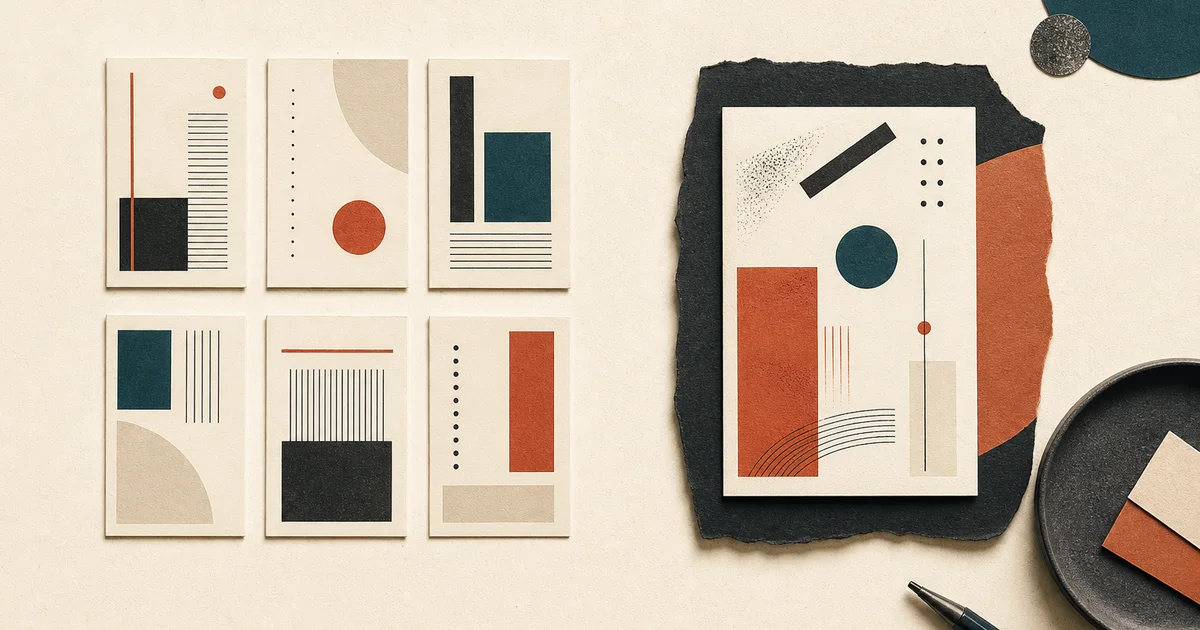
A flash tattoo is a design that a tattoo artist or studio has drawn before a client books it. The design may be displayed on a sheet, wall, booking page, or social post so people can choose it.
That definition describes how a design is offered, not one fixed visual style. Flash can be bold, delicate, colorful, black and grey, traditional, or contemporary. The artist decides whether a piece may be tattooed more than once, changed for a client, or reserved as a one-off.
Where tattoo flash came from
Flash has a long relationship with walk-in tattooing. Pre-drawn designs gave customers something concrete to select and helped a shop show the kind of work it offered.
The Smithsonian describes flash as designs made by tattooists, drawn on paper or board, and displayed to advertise their work. Its Lyle Tuttle collection contains thousands of examples along with other tattoo-industry material. Read the Smithsonian overview.
A Providence Public Library archival guide similarly describes flash sheets as groups of small hand-drawn designs that could give customers ideas and could also be copied, produced, and traded. The guide connects traditional flash with the speed and visibility of street shops. See the library finding aid.
Those sources explain a documented practice. They do not make every old flash image free to reuse, and they do not determine how a living artist offers their work today.
How flash works in a studio today
An artist might offer flash in several ways:
- Repeatable flash: the artist may tattoo the design for more than one client.
- One-off flash: the design is available to one client and then retired.
- Flash with limited changes: size, color, or small details may be adjustable.
- Fixed flash: the artist offers the design as drawn, sometimes within a defined size or placement range.
- Flash-day designs: a studio may offer a selected set under event-specific booking and pricing rules.
These are common possibilities, not universal categories. For example, one current studio describes flash as ready-to-tattoo artwork while noting that customization depends on the design and artist. See this contemporary studio example.
Always read the specific post or booking page. If the policy is unclear, ask before assuming that a design is exclusive, editable, or available at a particular price.
Flash, custom, and a private concept are not the same
| Starting point | What you choose first | What still needs confirmation |
|---|---|---|
| Artist flash | A design the artist already offers | Availability, repeatability, allowed changes, size, placement, and price |
| Custom tattoo | Your subject, meaning, references, and constraints | The artist’s process, drawing, revisions, technical fit, and final quote |
| Private AI concept | A generated visual direction based on your inputs | Rights review, artist redraw, anatomy, scale, execution, and final stencil |
AI Tattoo Design returns one private concept to your logged-in account after a successful generation. “Private” describes access to that result in the product. It does not turn the image into an artist’s flash, guarantee legal exclusivity, or make it a tattoo-ready stencil.
Use an AI concept to communicate the subject and direction you want. Ask the artist to interpret and redraw it rather than treating it as finished work.
Can a flash tattoo be repeated?
It depends on the artist’s offer.
Historically, repeatability was one practical feature of flash. In a current studio, however, an artist may release repeatable designs, one-off designs, or a mixture of both. A post being labeled “flash” is not enough to tell you which policy applies.
Ask:
Is this design repeatable, or will it be retired after one booking?
If being the only wearer matters to you, get a clear answer before paying a deposit. Do not assume that “claimed,” “booked,” “custom,” and “one-off” mean the same thing across artists.
Can a flash tattoo be changed?
Again, the artist decides. Small changes can alter the balance that made the design work, and a different placement may require more than shrinking or rotating it.
Useful questions include:
- Can the palette change?
- Can an element be removed or added?
- Is the design intended for a particular body area?
- What size keeps the lines and negative spaces readable?
- Would the requested change turn this into a custom project?
An artist may say yes, offer a separate custom booking, or prefer to tattoo the flash exactly as drawn. All three are reasonable policies when stated clearly.
How to choose between flash and custom
Choose flash when you genuinely like an available design and are comfortable with its stated terms. It can make the starting point unusually clear: you and the artist are already looking at the same composition.
Choose custom when your personal subject, combination of elements, or body area is central to the project. Custom does not mean giving the artist an exhaustive drawing specification. A concise brief with room for professional judgment is more useful.
Use a private concept when you are still translating an idea into something visual and want a reference for the consultation. It is an exploration tool, not a third kind of tattoo service.
Five questions to ask before booking flash
- Is it repeatable or one-off?
- Which changes, if any, are allowed?
- Which placements and size range suit the design?
- What are the price, deposit, and rescheduling terms?
- How will the artist adapt and approve the final stencil?
That short checklist is more reliable than trying to infer the rules from an image.
Turn your own idea into an artist conversation
If no available flash expresses what you want, define five practical inputs: concept, style, placement, size, and color direction. The AI tattoo prompt framework helps make those inputs concrete, while the tattoo artist brief template shows how to label an AI concept and leave technical decisions open.
You can explore a private tattoo concept before a consultation. Bring the result as a reference, disclose that it is AI-generated, and let your artist decide what should be redrawn, simplified, or changed for the body.